TRT Clinic La Jolla: Key Benefits for Men Over 40

Men rarely walk into a clinic and say, “I think my hormones are off.” What they usually say is something more familiar. They are dragging through the afternoon. Their workouts do not produce the same return. They are sleeping, but not feeling rested. Their patience is thinner. Their interest in sex has changed, sometimes gradually, sometimes enough to affect a relationship. A few have noticed they are gaining fat around the midsection even though their diet has not changed much. Others have become less confident, less driven, and they cannot quite explain why.
For many men over 40, those changes are not just a normal tax of getting older. Sometimes they are tied to low testosterone, sometimes called hypogonadism when it meets clinical criteria. That distinction matters. Testosterone replacement therapy, or TRT, is not a lifestyle upgrade for every tired middle-aged man. It is a medical treatment that works best when it is carefully evaluated, properly prescribed, and consistently monitored.
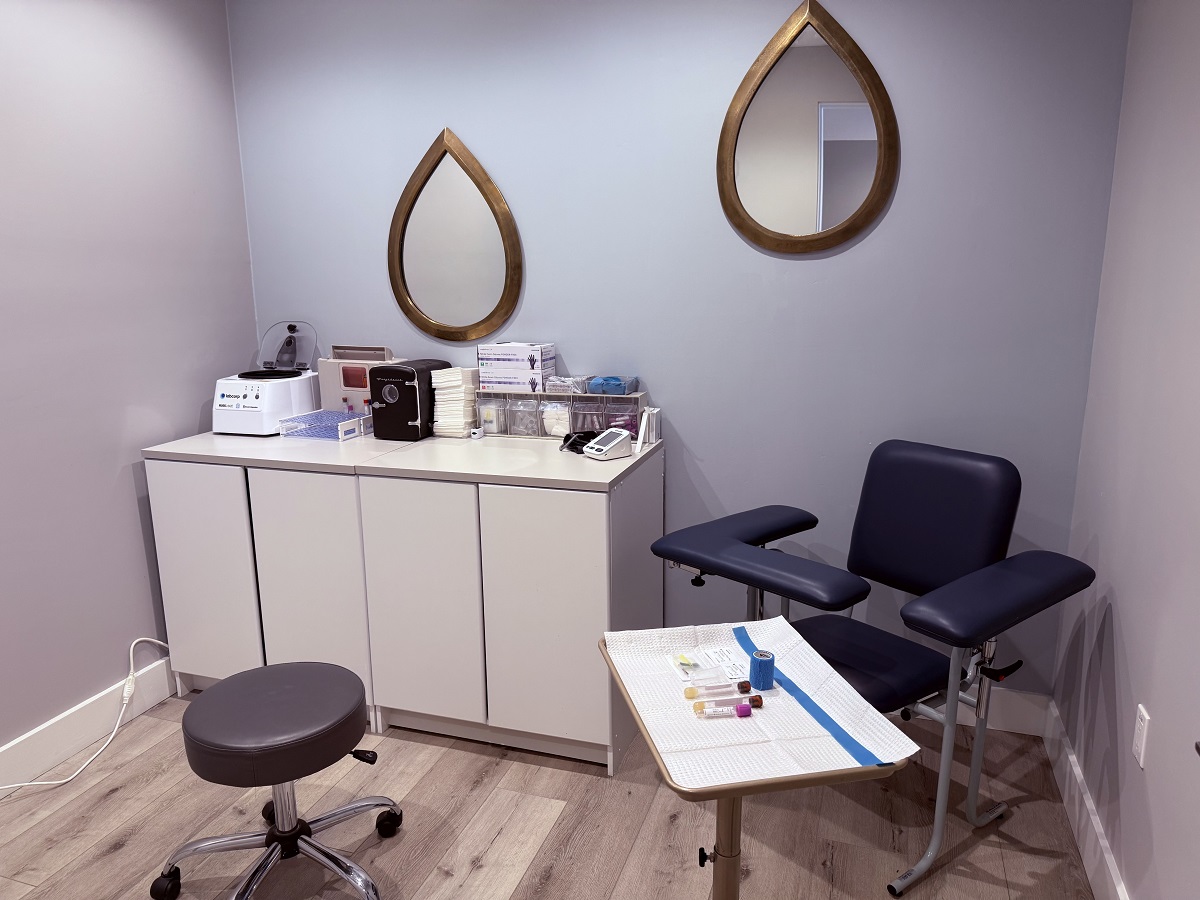
That is where choosing the right provider becomes important. A reputable trt clinic La Jolla men can access should do more than sell a vial and a follow-up. It should look at the full picture, from symptoms and lab work to cardiovascular risk, fertility goals, sleep quality, body composition, and long-term monitoring. When the process is handled well, the benefits can be significant.
Why men over 40 start asking different questions
By 40, many men have enough life data to know when something feels off. They have lived in their bodies long enough to recognize the difference between a stressful month and a deeper drop in energy or motivation. They are also often carrying trt clinic La Jolla SDBody La Jolla more responsibility than they did at 25. Work is demanding. Kids may still be at home. Recovery is slower. Sleep can become fragmented. Alcohol hits harder. A few extra pounds are easier to put on and harder to lose.
The tricky part is that low testosterone symptoms overlap with a long list of other issues. Poor sleep, especially undiagnosed sleep apnea, can mimic or worsen low testosterone symptoms. So can chronic stress, depression, overtraining, under-eating, insulin resistance, and certain medications. That is why a good TRT evaluation is not a quick online quiz followed by a shipment.
In practice, the men who do best with treatment tend to be those who go through a thorough workup first. They want clear answers, not a shortcut. They want to know whether testosterone is truly the issue, whether they are a good candidate, and what the trade-offs might be.
What a strong clinic actually does
A quality TRT program starts with diagnosis, not marketing. At minimum, that means a detailed symptom review, a health history, and lab testing interpreted in context. Most experienced clinicians also look beyond total testosterone alone. Free testosterone, sex hormone-binding globulin, estradiol, complete blood count, prostate-specific antigen when appropriate, thyroid markers, liver function, and metabolic markers often matter just as much. Timing matters too. Testosterone levels fluctuate, which is why morning testing is commonly used.
A seasoned clinician also asks questions that men do not always expect. Are you trying to have children? Do you snore or wake up gasping? Have you had significant weight gain recently? Are you using opioids, anabolic steroids, or medications that affect hormones? How much do you drink in a typical week? Have you had changes in mood, concentration, or sexual function? Those details shape treatment decisions.
This is one practical advantage of working with a trt clinic La Jolla patients can visit for individualized care. The best clinics tend to move beyond a one-size-fits-all model. They calibrate treatment based on symptoms, labs, age, goals, and risk profile. That can make the difference between a mediocre experience and one that genuinely improves quality of life.
The most meaningful benefits men often notice
The first changes are not always dramatic, and they are not always physical. Many men report a clearer sense of mental drive before they notice body composition changes. They describe getting through the day without that heavy afternoon crash. They stop feeling like every workout is a grind. They become more engaged trt clinic La Jolla at home. Sometimes the improvement is subtle but unmistakable, like getting their old edge back.
More stable energy and motivation
Low testosterone can leave men feeling flat in a way that caffeine cannot fix. Not sleepy, exactly. More like underpowered. Tasks that used to feel routine start to feel effortful. This is one of the most common reasons men seek care.
When TRT is prescribed appropriately, energy often becomes more consistent across the day. Men who used to hit a wall at 2 p.m. May find they are more productive in the afternoon and less likely to collapse on the couch after work. Motivation can improve alongside that. The gym no longer feels optional in the wrong way. Basic routines become easier to maintain.
That said, realistic expectations matter. TRT is not a stimulant. It does not create overnight transformation. Men who sleep five hours a night, eat erratically, and never move their body are not going to feel optimized just because testosterone is higher. The therapy often works best when it removes a barrier and gives good habits a chance to work again.
Better sexual health and relationship confidence
Sexual symptoms are often what push men to finally schedule an appointment. Libido may fade gradually, or erections may become less reliable even when desire is still present. Some men feel embarrassed bringing this up. They should not. It is one of the most common and clinically relevant parts of the picture.
For men with confirmed low testosterone, treatment can improve libido and sexual satisfaction. In some cases, erectile function improves as well, though that depends on many factors, including vascular health, blood sugar control, medication use, and stress. Testosterone is not a universal fix for erectile dysfunction, but it can be an important piece of the puzzle when levels are truly low.
The relationship impact can be larger than men expect. Feeling more sexually engaged often restores confidence, and confidence changes how men show up in conversation, intimacy, and even conflict. Partners notice the difference. Not because TRT changes personality, but because it can remove a layer of fatigue, irritability, and disengagement that had quietly built up over time.
Improved muscle retention and easier body composition management
After 40, many men notice that the same training effort no longer produces the same result. Strength stalls. Recovery slows. Muscle disappears faster during stressful periods or after injury. Body fat, especially around the waist, becomes harder to lose. Testosterone is not the only driver here, but it is an important one.
Adequate testosterone supports muscle protein synthesis, recovery, and maintenance of lean mass. In the real world, that often means resistance training starts paying off again. Men recover better between sessions. They hold onto muscle more effectively during fat loss. They feel stronger and more capable during normal physical activity.
This benefit tends to be overhyped online, so it is worth being precise. TRT is not a substitute for training or nutrition. A man who expects it to work like a performance-enhancing drug will likely be disappointed. A man who lifts consistently, eats enough protein, and manages stress often gets much more out of treatment. The therapy sets the stage, but the rest still matters.
Better mood, mental sharpness, and resilience
Not every man with low testosterone feels depressed, but plenty describe feeling more irritable, less focused, or emotionally dulled. They may not use the word “depressed” at all. Instead, they say they feel less like themselves.
When TRT helps, the mood shift can be one of the most valuable benefits. Men often describe being less short-tempered, more patient, and better able to stay present. Concentration can improve. Decision-making may feel less foggy. For professionals managing teams, deadlines, and long workdays, this matters as much as any physical gain.
Still, this is an area where judgment matters. Hormones affect mood, but they are not the whole story. If a man is burned out, grieving, drinking heavily, or dealing with untreated anxiety, testosterone alone may not solve what is wrong. Good clinics do not pretend otherwise. They distinguish between hormone-related symptoms and broader mental health concerns, sometimes recommending additional support alongside TRT.
Why local, consistent care matters
Men often underestimate the importance of follow-up until they have a bad experience elsewhere. It is easy to find low-cost telemedicine programs that move quickly from questionnaire to prescription. Some work reasonably well. Some do not. Problems usually show up in the months that follow, when doses are poorly calibrated, estradiol is mishandled, hematocrit rises, symptoms fluctuate, or patients stop knowing what “normal” is supposed to feel like.
A well-run trt clinic La Jolla men can visit offers something harder to replicate in a purely transactional model: continuity. That means consistent lab review, symptom tracking, dose adjustments based on actual response, and the ability to catch small issues before they become bigger ones.
The difference is especially noticeable in edge cases. For example, some men aromatize testosterone more readily and develop breast tenderness, water retention, or mood volatility if dosing is too aggressive. Others feel worse on a standard weekly protocol but improve when timing or formulation changes. Some have borderline sleep apnea that becomes more relevant after starting treatment. Local clinical oversight helps with those nuances.
Not every candidate should start TRT right away
One of the best signs that a clinic is trustworthy is its willingness to say no, or at least not yet.
If a patient wants future fertility, that changes the conversation. Exogenous testosterone can suppress sperm production. Men in their 40s may still want children, and some assume TRT is harmless on that front. It is not. Fertility-preserving alternatives or adjunctive approaches may be more appropriate depending on the case.
If sleep apnea is untreated, that should be addressed. If a man is drinking heavily, severely overweight, poorly controlled diabetic, or on medications that may be depressing testosterone, those factors deserve attention too. In some cases, weight loss, better sleep, and medication review improve hormone levels enough that TRT is no longer necessary, or at least not urgent.
Men with certain prostate concerns, elevated hematocrit, or cardiovascular risk factors may need closer evaluation. None of this means TRT is off the table forever. It means proper sequencing matters.
What to look for in a clinic
Choosing a clinic is less about branding and more about clinical discipline. Men often do well when they look for a few specific signs.
- A full diagnostic workup before treatment begins
- Clear discussion of fertility, risks, side effects, and alternatives
- Individualized dosing rather than a generic protocol for everyone
- Regular follow-up labs with interpretation tied to symptoms
- Willingness to coordinate with primary care or specialists when needed
That list sounds basic, but it rules out a surprising number of low-quality programs.
The practical side of treatment
TRT can be delivered in several forms, including injections, gels, patches, and pellets. Each has advantages and drawbacks. Injections are common because they are effective and often cost-efficient, but they require comfort with self-administration or regular clinic visits. Gels avoid needles but can be less convenient if there is concern about transfer to partners or children. Pellets appeal to men who want fewer treatment touchpoints, though dose flexibility is lower once inserted.
The best option often comes down to lifestyle and response. A man who travels constantly may prefer a different format than someone with a predictable weekly routine. A man sensitive to hormonal peaks and troughs may do better with more frequent dosing. There is no universally superior method.
It is also worth discussing timelines honestly. Some benefits, such as libido or energy, may begin to shift within weeks for some patients. Body composition and strength changes usually take longer and depend heavily on exercise and nutrition. Symptom relief is rarely linear. Early improvements may level off, and some dose adjustments are normal before a patient feels stable.
Common trade-offs and side effects
A balanced article on TRT should acknowledge that benefits come with responsibilities. Testosterone therapy can raise hematocrit, which is why blood monitoring matters. Acne can occur. Fluid retention can happen. Some men experience mood fluctuations when dosing is not well matched to their physiology. Breast tenderness is possible in some cases. Fertility suppression is a major consideration for the right patient.
There is also the issue of commitment. Starting TRT is not like trying a new multivitamin. It often becomes a long-term therapy. Men should understand what maintenance looks like before they begin. That includes follow-up testing, prescription management, and a plan for handling side effects or life changes.
This is another area where a reputable trt clinic La Jolla patients trust can make a real difference. Good clinics prepare men for the long game. They explain not only the potential upside, but the monitoring burden, the signs of overtreatment, and the practical realities of staying on therapy safely.
A brief example from real practice patterns
Consider a typical scenario. A 47-year-old executive comes in saying he feels “off” for the past year. He has gained 18 pounds, mostly around the abdomen. His workouts have become inconsistent because he is exhausted by evening. His wife has noticed he is more irritable and less interested in sex. He thinks he may just be overworked.
A rushed clinic could hear that story, see a borderline low lab value, and start treatment immediately. A careful clinic would go deeper. Does he snore? Yes. Is he waking unrefreshed? Also yes. Has he had a sleep study? No. His blood pressure is up, and his fasting glucose is drifting higher. His testosterone may indeed be low, but untreated sleep apnea and metabolic strain are probably part of the picture.
In a case like that, the smartest care plan may include further testing and parallel treatment rather than hormone therapy alone. Sometimes TRT is still appropriate, but now it is part of a smarter strategy. That is how good outcomes happen. Not by chasing a number, but by treating the patient in front of you.
Questions worth asking before you commit
Men tend to make better decisions when they slow the process down and ask specific questions. Before starting therapy, these are useful topics to cover with a provider.
- What is driving the recommendation, symptoms, lab values, or both?
- How will you monitor safety markers over time?
- What happens if I want to preserve fertility?
- Which form of treatment fits my schedule and health profile best?
- How will we know whether treatment is actually working for me?
A clinic that answers these calmly and specifically is usually a good sign. Vague reassurance is not enough.
Why La Jolla patients often value an individualized approach
La Jolla has no shortage of health-conscious men who train, track nutrition, and take preventive care seriously. That can be an advantage, because these patients are often engaged and consistent. They want data, but they also want context. They are not looking for a sales pitch. They want a provider who understands that performance, longevity, and symptom relief all intersect, and that more is not always better.
Men over 40 often reach the point where they value precision over hype. They have tried pushing harder. They have tried pretending fatigue is just part of success. They have usually learned that health problems ignored in your 30s become harder to clean up in your 40s and 50s.
A thoughtful trt clinic La Jolla residents choose for ongoing care should meet that level of seriousness. It should be able to explain why treatment makes sense, when it does not, and how to measure success beyond a single lab report.
The bigger picture for healthy aging
TRT is not about turning back the clock. Men who approach it that way often miss the point. The real value is function. Better energy to work well and still be present at home. Better strength to stay active and avoid the slow decline that comes with lost muscle mass. Better sexual health and confidence. Better mental resilience. For the right candidate, those are meaningful gains.
But the men who get the most from treatment usually do not treat TRT as a magic answer. They use it as one tool in a broader plan. They lift regularly. They protect sleep. They eat with some discipline. They follow through on labs. They stay honest about alcohol, stress, and recovery. They work with clinicians who are willing to adjust, re-evaluate, and push back when needed.
That is the real promise of good care. Not just higher testosterone, but better judgment around how to use treatment responsibly. For men over 40, that difference matters. It is the line between chasing a quick fix and building a version of health that actually lasts.
SDBody La Jolla
7710 Fay Ave, La Jolla, CA 92037
+1 858-401-2383
FAQ About trt clinic La Jolla
How much should my TRT cost?
TRT costs depend on the clinical evaluation, medication, laboratory testing, and follow-up plan. Ask for an itemized estimate that includes the initial visit and ongoing monitoring. SDBody La Jolla can explain its current fees after discussing the services being considered.
Will Insurance Pay for TRT in La Jolla?
Coverage depends on your plan, diagnosis, prescribed treatment, and provider network. Ask your insurer about medical necessity requirements, prior authorization, laboratory coverage, and out-of-pocket costs. Confirm SDBody La Jolla's billing arrangements directly; insurance payment is not guaranteed.
Is TRT safer than steroids?
Testosterone is itself an anabolic steroid. Clinician-prescribed replacement for confirmed testosterone deficiency differs from nonmedical steroid use, but it still carries risks and requires monitoring. Possible concerns include increased red blood cell levels and reduced sperm production. Discuss your medical history and fertility goals with a qualified clinician before considering treatment.