TRT Clinic in La Jolla: Helping Men Feel Like Themselves Again


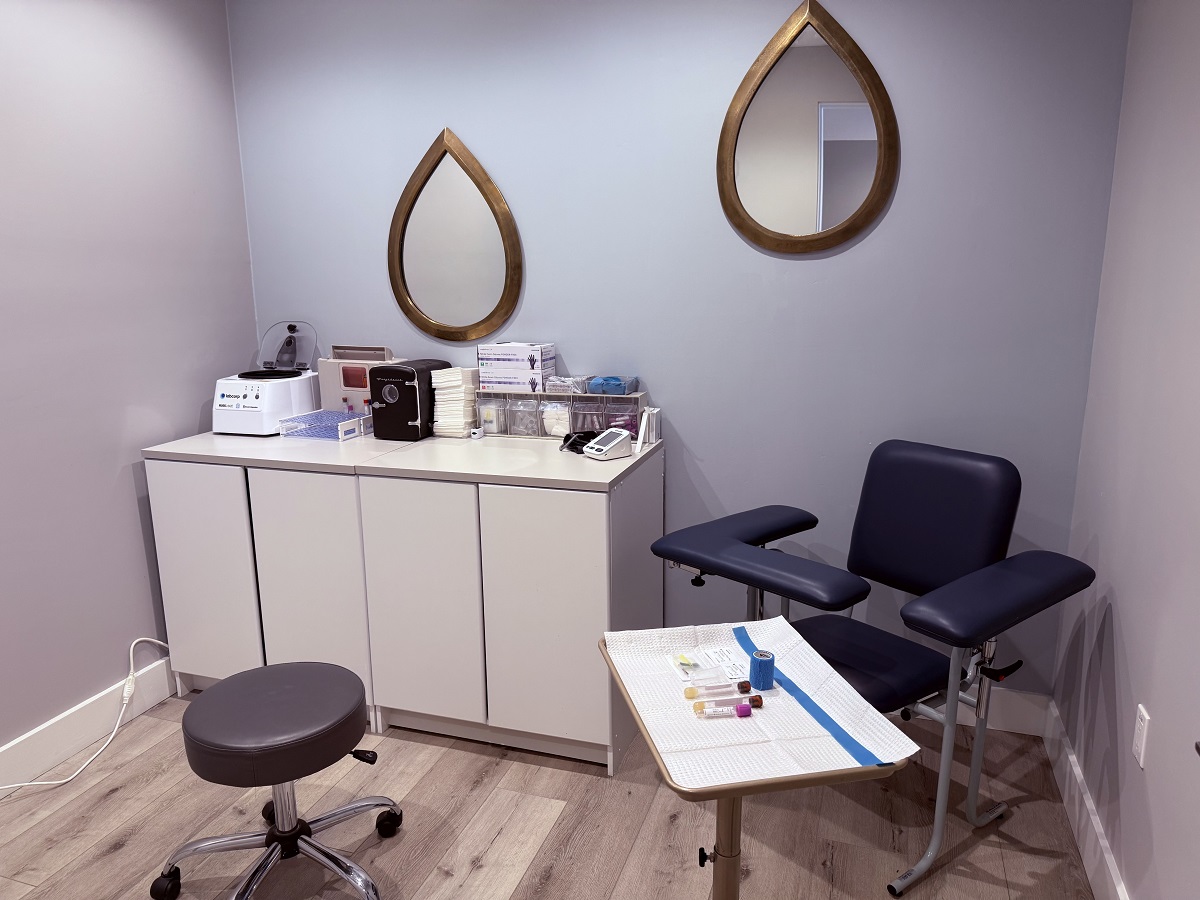
Men rarely walk into a clinic and say, “I think my testosterone is low.” Most come in talking about something else. They mention dragging through the afternoon, losing interest in the gym, snapping at their family for no real reason, or feeling mentally flat in a way they cannot quite explain. Some are in their late 30s and surprised to be there at all. Others are in their 50s or 60s and have spent a year telling themselves they just need better sleep, a cleaner diet, or more discipline.
Sometimes those things are exactly the answer. Sometimes they are not.
That is where a well-run TRT clinic in La Jolla can make a real difference. Not by promising miracles, and not by treating every tired man with a prescription, but by sorting out what is actually happening. Low testosterone is a medical issue with a broad range of effects, and it overlaps with a long list of other problems that can look similar on the surface. Good care starts with that distinction.
La Jolla is a place where many men care about staying active, engaged, and capable for as long as possible. They surf, hike, lift weights, run businesses, raise families, and expect a lot from themselves. When energy, drive, strength, or sexual health begin to slip, they feel it quickly. The loss is not only physical. It trt clinic La Jolla touches confidence, relationships, work performance, and identity. For the right patient, testosterone replacement therapy can help restore a trt clinic La Jolla sense of normalcy. The key phrase is “the right patient.”
When “just getting older” does not fully explain it
Aging does affect hormone levels. That part is true. The problem is that “aging” often gets used as a catchall explanation for symptoms that deserve a closer look. A healthy 52-year-old should not necessarily accept severe fatigue, disappearing libido, or a sharp drop in muscle mass as inevitable. He may be dealing with low testosterone. He may also be dealing with sleep apnea, chronic stress, depression, excess alcohol use, obesity, thyroid dysfunction, poor recovery, medication effects, or a mix of several factors.
In practice, the most telling cases are rarely dramatic at first. A man notices he needs more caffeine to function. His workouts feel harder, but his results are worse. He starts waking up tired. His patience shortens. Sex feels less spontaneous, then less frequent, then emotionally loaded because he begins to worry about it. Months pass before he connects the dots.
That pattern matters because low testosterone often develops gradually. Men adapt to the decline without realizing how much has changed. A thoughtful evaluation at a TRT clinic in La Jolla should look at the full picture, not just one lab number in isolation.
What low testosterone can actually feel like
Textbook descriptions tend to be clean and tidy. Real life is not. Symptoms can be subtle, uneven, and easy to blame on work stress or poor sleep. In clinic conversations, men usually describe a cluster of changes rather than one single complaint.
Common signs include:
- Lower energy, especially by late morning or midafternoon
- Reduced sex drive or weaker erections than usual
- Slower recovery from exercise, with less strength or muscle gain
- Mental fog, lower motivation, or a flattened mood
- Increased body fat, often around the midsection, despite similar habits
Not every man with these symptoms has low testosterone, and not every man with low testosterone has all of them. That is why treatment should never begin with guesswork alone. Symptoms matter, labs matter, and context matters just as much.
What a good TRT evaluation should include
The strongest clinics do not rush to sell treatment. They start by asking better questions.
A proper evaluation usually begins with symptom history, medical background, current medications, body composition, sleep patterns, and lifestyle factors. That might sound basic, but it is where many answers hide. A man sleeping five fragmented hours a night, carrying significant visceral weight, and drinking heavily on weekends may have low testosterone, but those factors can also be driving his symptoms and suppressing his levels.
Lab work is equally important. Testosterone should be interpreted carefully, ideally with attention to timing and repeat confirmation when appropriate. Morning levels are often preferred because testosterone follows a daily rhythm. Depending on the case, a clinician may also consider free testosterone, sex hormone-binding globulin, estradiol, luteinizing hormone, follicle-stimulating hormone, thyroid markers, complete blood count, comprehensive metabolic panel, lipids, and PSA in age-appropriate settings. Fertility goals matter too, because TRT can reduce sperm production, sometimes significantly.
This is where experience shows. A clinic that treats numbers instead of people may miss the man whose total testosterone looks “normal” on paper but whose free testosterone is low and symptoms are clear. On the other hand, a clinic that prescribes based only on symptoms may medicate someone whose real issue is sleep apnea or burnout. Both mistakes happen.
Why diagnosis should never be a sales pitch
There is a difference between hormone care and hormone marketing. Men can sense it when they walk in the door.
Some clinics frame testosterone as a universal upgrade, the solution for stamina, body composition, confidence, and sex drive all at once. That message is tempting, especially for men who already feel frustrated. But medical treatment should not be packaged like a performance product. Testosterone is not a shortcut around poor sleep, weak nutrition, overtraining, relationship stress, or unmanaged health conditions. It can help the right patient substantially, but it still requires judgment and monitoring.
A reputable TRT clinic in La Jolla should be comfortable saying, “You are not a candidate right now,” or, “Let’s address a few other issues first.” That restraint is a sign of quality, not hesitation.
What treatment can and cannot do
For men with confirmed deficiency and a solid clinical case, TRT can be meaningful. The changes often begin with energy and mental clarity. Then libido improves. Workouts feel productive again. Recovery gets easier. Mood steadies. Some men describe the shift as dramatic. Others say it feels more like returning to baseline, which is often the better sign. Good therapy should make you feel more like yourself, not like a different person.
That said, expectations need to stay realistic. TRT does not guarantee rapid fat loss. It does not fix a failing marriage. It does not erase years of bad sleep, poor diet, or chronic stress. It also does not work at the same pace for everyone. Some benefits can appear within weeks, while body composition and strength changes may take months and still depend heavily on exercise and nutrition.
There are trade-offs. Testosterone therapy can raise red blood cell count in some men, which is one reason follow-up labs matter. Estradiol can shift. Acne may appear. Fluid retention can occur. Fertility can drop, sometimes enough to be a deal-breaker for men who still want children. Sleep apnea may worsen in susceptible patients. These are not reasons to fear treatment, but they are reasons to handle it seriously.
The forms of TRT and why convenience is not the only factor
Testosterone replacement is not one uniform product. There are injectable forms, topical preparations, and other delivery methods used in certain settings. Each has practical pros and cons, and the “best” option depends on the patient’s routine, preferences, skin sensitivity, absorption pattern, response, and follow-up data.
Injectables are common because they are effective and often more predictable. Some men like the simplicity. Others do not want to self-inject or dislike the peaks and troughs that can occur if dosing is not structured well. Topicals appeal to men who prefer to avoid needles, but they require consistency and caution about transfer to partners or children. The details matter more than advertising language.
This is another area where individualized care matters. A man who travels constantly may need one approach. A man with young kids at home may prefer another. A patient prone to fluctuations in mood or energy may benefit from a dosing schedule that smooths things out rather than creating a weekly roller coaster.
Fertility deserves a direct conversation
This topic gets missed more often than it should. Men in their 30s and 40s may assume testosterone therapy will improve every aspect of male health, including fertility. In reality, TRT can suppress the hormonal signals that drive sperm production. If future fertility matters, that conversation should happen before treatment begins, not after.
Sometimes a man is not trying for children now but wants the option later. That still counts. Depending on the situation, alternative strategies or adjunctive medications may be more appropriate. The right choice depends on age, goals, current hormone profile, and timeline. A strong clinic brings this up early and clearly.
Why follow-up is where good clinics separate themselves
Starting therapy is only the beginning. The real quality of a TRT clinic often shows up in the months that follow.
A careful clinic tracks symptom response and laboratory changes over time. It watches for overcorrection as much as under-treatment. It adjusts dose and timing rather than simply pushing levels higher. It asks whether libido improved but sleep worsened, whether energy is better but hematocrit climbed, whether the patient’s training, body composition, and overall health are moving in the right direction.
The best follow-up visits are not rushed. They account for nuance. A man can have “better numbers” but feel no better. Another can feel improved but have side effects that need attention. Both scenarios require clinical judgment, not autopilot refills.
In practical terms, monitoring often includes repeat labs at appropriate intervals, blood pressure checks, side effect review, and ongoing discussion about goals. The treatment plan should evolve with the patient. Weight changes, stress levels, medications, cardiovascular risk, sleep quality, and life circumstances can all affect how therapy feels and functions.
La Jolla men are often high performers, and that changes the conversation
The local patient profile matters more than people think. In communities like La Jolla, many men are already doing a lot right. They exercise, eat reasonably well, and pay attention to health markers. When they feel off, the shift may be subtle but deeply disruptive because their baseline is high.
That can cut both ways.
On one hand, these men may be better candidates for careful hormone evaluation because they have already addressed obvious lifestyle issues. On the other hand, they can be more vulnerable to overtreatment because they are motivated, impatient, and used to optimizing performance. They may want quick answers and measurable gains. A responsible clinician has to separate medical need from the understandable desire to regain an edge.
The conversation tends to go best when both sides are honest. The patient should be candid about symptoms, alcohol use, supplements, sleep, and stress. The clinic should be candid about what TRT can realistically improve and where it may not be the answer.
What men often notice first after starting treatment
The early changes are not always the ones men expect. Some imagine immediate muscle growth or dramatic fat loss. More commonly, the first improvements are less flashy and more meaningful. Men say they stop hitting a wall at 2 p.m. They stop dreading workouts. Their thinking feels sharper. They reconnect with desire rather than forcing it. Their partners notice they are more present, less irritable, and more engaged.
That last point matters. Low testosterone can strain relationships in quiet ways. When fatigue, low libido, poor mood, and reduced confidence pile up, couples often misread the cause. A man may withdraw and seem distant when he is actually depleted and frustrated. Better treatment can ease that tension, though it is not a substitute for communication.
The lifestyle piece is not optional
Even when TRT is appropriate, it works best on a solid foundation. Men sometimes hear this as a lecture. It is not. It is simple physiology.
Sleep is one of the biggest leverage points. If a man snores heavily, wakes unrefreshed, or crashes despite enough time in bed, he may need evaluation for sleep apnea. Untreated sleep apnea can mimic low testosterone and coexist with it. Training matters too. Five days of punishing workouts with poor recovery can tank energy and libido just as reliably as a sedentary routine. Nutrition, body fat, alcohol, and chronic stress all influence hormone health and treatment response.
A clinic that ignores those variables may still prescribe TRT, but it will often miss the full opportunity to improve the patient’s health.
Questions worth asking before choosing a clinic
Not every practice offering testosterone therapy provides the same level of care. If you are comparing options, a few questions can tell you a lot very quickly:
- How do you confirm whether someone is truly a candidate for TRT?
- What labs do you review before starting treatment and during follow-up?
- How do you handle fertility concerns for men who may want children?
- What side effects do you monitor most closely?
- How often will I be reassessed if I begin therapy?
The answers should sound measured, specific, and patient-centered. If the conversation feels rushed, overly sales-driven, or strangely vague about monitoring, that is useful information.
Who may not be a good candidate, at least not right away
It is worth saying plainly that some men need further evaluation before starting testosterone, and some should avoid it altogether depending on their situation. That does not make their symptoms less real. It means the first job is to understand the risk.
A man with untreated severe sleep apnea, unexplained high hematocrit, active plans for fertility, or certain prostate or cardiovascular concerns may need a different approach or a slower path. Others may need to address major weight gain, medication effects, alcohol use, or mood disorders before deciding whether TRT belongs in the picture. Good medicine is selective.
There is also the issue of motivation. If a patient wants testosterone primarily as a shortcut for body recomposition while ignoring clear lifestyle problems, he is less likely to get a good outcome. Not because testosterone cannot help, but because it performs poorly when expected to carry the entire load.
The value of local, personalized care
There is a reason many men prefer in-person evaluation over anonymous, remote-only hormone services. Local care allows for more complete physical assessment, easier follow-up, and a stronger clinical relationship. That can be especially valuable when treatment requires dose adjustments, lab interpretation, or decisions around side effects and long-term planning.
A TRT clinic in La Jolla also has the advantage of understanding the local patient population. Men here may be balancing professional demands, athletic goals, family life, and a strong preference for staying active well into later decades. Their care works best when it respects all of those variables rather than reducing them to a single lab result.
Feeling like yourself again is a legitimate medical goal
There is sometimes a strange guilt around hormone treatment, as if seeking help for fatigue, reduced libido, low mood, or lost physical capacity is somehow vanity. It is not. Those symptoms affect marriages, careers, self-respect, and long-term health behaviors. A man who feels worn down is less likely to train consistently, sleep well, connect with his partner, or stay engaged in his life.
That does not mean every struggling man needs testosterone. It means he deserves a careful evaluation instead of dismissal.
The best outcomes happen when treatment is grounded in evidence, symptoms, and common sense. The goal is not to chase a number or create an exaggerated version of masculinity. The goal is steadier energy, healthier function, clearer thinking, and a body that responds the way it should. For men who truly need it, that is not cosmetic. It is restorative.
And for many of them, that is exactly what they came in hoping for, even if they did not have the words for it yet.
SDBody La Jolla
7710 Fay Ave, La Jolla, CA 92037
+1 858-401-2383
FAQ About trt clinic La Jolla
How much should my TRT cost?
TRT costs depend on the clinical evaluation, medication, laboratory testing, and follow-up plan. Ask for an itemized estimate that includes the initial visit and ongoing monitoring. SDBody La Jolla can explain its current fees after discussing the services being considered.
Will Insurance Pay for TRT in La Jolla?
Coverage depends on your plan, diagnosis, prescribed treatment, and provider network. Ask your insurer about medical necessity requirements, prior authorization, laboratory coverage, and out-of-pocket costs. Confirm SDBody La Jolla's billing arrangements directly; insurance payment is not guaranteed.
Is TRT safer than steroids?
Testosterone is itself an anabolic steroid. Clinician-prescribed replacement for confirmed testosterone deficiency differs from nonmedical steroid use, but it still carries risks and requires monitoring. Possible concerns include increased red blood cell levels and reduced sperm production. Discuss your medical history and fertility goals with a qualified clinician before considering treatment.